

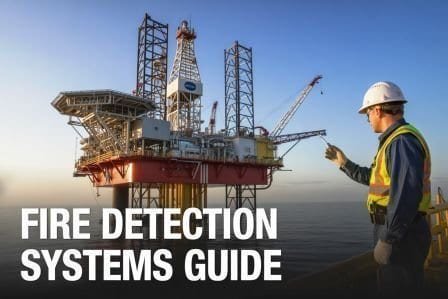
Drilling rig fires pose serious risks to crew safety and multimillion-dollar equipment, making robust fire detection systems essential for any drilling operation. This comprehensive guide serves rig operators, safety managers, marine engineers, and drilling contractors who need practical knowledge about implementing and maintaining effective drilling rig fire detection systems.
Working on offshore platforms and drilling rigs means dealing with flammable gases, high-pressure equipment, and electrical hazards that can trigger devastating fires in seconds. Today’s drilling safety technology has evolved to provide early warning systems that can mean the difference between a contained incident and a catastrophic loss.
You’ll discover how to identify the unique fire hazards present on drilling platforms and learn about the essential components that make up modern oil rig fire safety systems. We’ll also walk through strategic placement guidelines for offshore fire detection equipment and show you how to integrate these systems with your existing drilling rig emergency response protocols. Finally, you’ll get actionable maintenance schedules and testing procedures to keep your fire suppression systems drilling-ready when every second counts.
Understanding Fire Hazards on Drilling Rigs

High-Risk Zones and Equipment Areas
Drilling rigs present unique fire hazards across multiple operational zones, each requiring specialized drilling rig fire detection systems for optimal protection. The drill floor represents the primary high-risk area, where rotating equipment, electrical systems, and drilling fluids create a perfect storm for potential ignition. The mud pumps and shale shakers operate continuously under high pressure and temperature conditions, generating heat that can ignite hydrocarbon vapors.
Engine rooms house diesel generators and auxiliary equipment that run 24/7, creating sustained heat sources combined with fuel storage areas. These spaces require robust oil rig fire safety measures due to the concentrated presence of ignition sources and combustible materials. The BOP (Blowout Preventer) stack area presents extreme risks during well control operations, where high-pressure hydrocarbons can escape and create explosive atmospheres.
Storage areas for drilling chemicals, lubricants, and fuel pose significant fire hazards due to the concentrated presence of flammable materials. Electrical equipment rooms containing switchgear, control panels, and battery systems can generate sparks and heat, especially in marine environments where salt corrosion accelerates electrical failures.
| Risk Zone | Primary Hazards | Critical Equipment |
|---|---|---|
| Drill Floor | Hydrocarbon exposure, electrical sparks | Drawworks, rotary table, mud systems |
| Engine Room | Diesel fuel, high temperatures | Generators, compressors, pumps |
| Chemical Storage | Flammable liquids, vapors | Storage tanks, transfer pumps |
| Electrical Rooms | Short circuits, overheating | Switchgear, control systems, batteries |
Common Fire Ignition Sources
The most frequent ignition sources on drilling platforms stem from both mechanical and electrical systems operating under extreme conditions. Hot work activities like welding, cutting, and grinding create direct flame and spark hazards that require strict permit systems and drilling platform fire prevention protocols. These operations become particularly dangerous when conducted near hydrocarbon-rich areas or during active drilling operations.
Electrical equipment failures rank among the top ignition sources, especially in offshore environments where saltwater exposure accelerates corrosion and insulation breakdown. Overloaded circuits, damaged wiring, and inadequate grounding systems can create arcing conditions that ignite surrounding vapors. The constant vibration from drilling operations compounds these electrical risks by loosening connections and wearing insulation.
Static electricity buildup during fluid transfer operations poses a significant but often overlooked ignition risk. Drilling mud circulation, fuel transfers, and chemical mixing generate static charges that can discharge as sparks. Marine fire detection systems must account for these invisible ignition sources that can occur without warning.
Mechanical friction from equipment failures creates dangerous heat sources. Bearing failures in mud pumps, belt slippage on rotating machinery, and brake malfunctions on drawworks can generate temperatures exceeding 1,000°F. Engine exhaust systems and turbochargers operate at extremely high temperatures, requiring careful isolation from combustible materials.
Smoking and unauthorized ignition sources remain persistent risks despite strict safety protocols. Human error factors include improper storage of flammable materials, failure to follow hot work procedures, and inadequate equipment maintenance that allows dangerous conditions to develop.
Environmental Factors That Increase Fire Risk
Weather conditions dramatically influence fire risk levels on drilling rigs, particularly for offshore operations where offshore fire detection equipment must function reliably in harsh marine environments. High winds can rapidly spread fires and make evacuation procedures more dangerous, while also affecting the performance of fire suppression systems. Wind direction changes can suddenly expose previously protected areas to fire and smoke.
Temperature extremes affect both equipment reliability and fire behavior. Arctic conditions can cause equipment failures and make emergency response more difficult, while high temperatures in desert or tropical locations increase vapor pressure of flammable liquids and reduce the effectiveness of some fire suppression agents. Rig fire alarm systems must be designed to operate reliably across these temperature ranges.
Humidity levels impact static electricity generation and the behavior of combustible dusts from drilling operations. Low humidity increases static buildup risks, while high humidity can cause electrical equipment corrosion and reduce the effectiveness of certain detection technologies.
Salt spray in marine environments accelerates equipment degradation and creates unique challenges for drilling safety technology. Corrosion affects electrical connections, detector sensitivity, and structural integrity of fire protection systems. Regular maintenance schedules must account for accelerated wear in these conditions.
Confined spaces and limited ventilation on drilling rigs can lead to dangerous accumulations of flammable vapors and gases. Natural air currents and wind patterns affect how gases disperse, potentially creating unexpected hazard zones. Oil and gas fire safety protocols must consider these environmental factors when positioning detection equipment and planning evacuation routes.
Sea state conditions for offshore rigs affect crew mobility, equipment stability, and emergency response capabilities. Rough seas can damage equipment, interfere with helicopter evacuations, and make firefighting operations more challenging. Drilling rig emergency response plans must account for various weather scenarios and their impact on fire safety systems performance.
Essential Components of Modern Fire Detection Systems

Heat Detection Sensors and Their Applications
Heat detection sensors serve as the first line of defense in drilling rig fire detection systems, responding to temperature changes that often precede visible flames or smoke. These sensors come in two primary types: fixed temperature detectors that trigger at predetermined thresholds, typically between 135°F and 200°F, and rate-of-rise detectors that activate when temperatures increase rapidly within a specific timeframe.
Thermistor-based sensors excel in mud pump areas and engine rooms where gradual temperature buildups occur. Their accuracy makes them ideal for monitoring critical equipment like draw-works and rotary tables. Thermocouple sensors handle extreme conditions better, making them perfect for wellhead operations and blowout preventer systems where temperatures can fluctuate dramatically.
Linear heat detection cables provide continuous monitoring along lengthy installations such as pipe racks, conveyor systems, and cable trays. These cables can detect heat along their entire length, offering comprehensive coverage that point detectors cannot match.
Installation requires careful consideration of ambient temperatures, air currents, and equipment heat signatures. Mount sensors at ceiling levels in enclosed spaces, but position them strategically around open-deck equipment where heat naturally rises. Avoid areas with excessive vibration or electromagnetic interference that could cause false alarms.
Smoke Detection Technology for Harsh Environments
Oil rig fire safety demands smoke detection systems specifically engineered for marine environments where salt spray, drilling mud, and harsh weather create challenging conditions. Traditional photoelectric and ionization detectors often fail in these environments due to contamination and corrosion.
Aspirating smoke detection (ASD) systems work exceptionally well on drilling platforms. These systems draw air samples through a network of pipes, analyzing them at a central detection unit. This approach keeps sensitive electronics away from harsh conditions while maintaining superior detection capabilities. ASD systems can detect smoke particles as small as 0.005% obscuration per meter, providing early warning before fires develop.
Beam smoke detectors span large open areas like drill floors and pipe decks effectively. These detectors project infrared beams across distances up to 300 feet, triggering alarms when smoke particles interrupt the beam. Their robust construction withstands salt corrosion and extreme temperatures common in offshore fire detection equipment applications.
Video smoke detection uses advanced algorithms to analyze camera feeds, identifying smoke patterns in real-time. This technology proves valuable for monitoring large outdoor areas where traditional detectors struggle with wind and weather interference. The visual confirmation helps operators distinguish between actual fires and false alarms caused by dust or steam.
Flame Detection Systems for Rapid Response
Flame detectors provide the fastest response times in drilling safety technology, often activating within milliseconds of flame appearance. These systems prove critical in high-risk areas where hydrocarbons can ignite explosively, requiring immediate detection and suppression activation.
Ultraviolet (UV) flame detectors respond to the UV radiation emitted by hydrocarbon fires. They excel in detecting hydrogen and hydrocarbon flames but require regular maintenance due to UV sensor degradation from solar exposure. Install UV detectors in enclosed spaces like engine rooms, electrical compartments, and mud rooms where solar interference is minimal.
Infrared (IR) flame detectors identify the specific infrared wavelengths produced by flames, particularly the 4.3-micron CO2 emission band. Single-IR detectors work well indoors, while dual-IR and triple-IR models reduce false alarms in challenging outdoor environments by comparing multiple wavelength signatures.
Multi-spectrum flame detectors combine UV and IR technologies, providing superior reliability and false alarm immunity. These advanced units can distinguish between actual flames and false sources like welding, lightning, or hot objects. Their sophisticated algorithms analyze flame characteristics such as flicker frequency and spectral signatures.
Visual flame detection cameras use advanced image processing to identify flame characteristics like color, shape, and movement patterns. These systems monitor large areas continuously and provide visual confirmation for operators, making them valuable for rig fire alarm systems integration.
Gas Detection Equipment for Early Warning
Gas detection systems provide the earliest possible warning by identifying combustible vapors before ignition occurs. Marine fire detection requires robust gas monitoring to detect hydrogen sulfide, methane, and other dangerous gases common in drilling operations.
Catalytic bead sensors detect combustible gases by measuring heat generated during catalytic oxidation. These sensors respond to a wide range of hydrocarbons but require oxygen to function and can be poisoned by certain chemicals. They work best in ventilated areas with consistent airflow.
Infrared gas detectors use spectroscopy to identify specific gas molecules, offering excellent selectivity and immunity to poisoning. These sensors work reliably in oxygen-deficient environments and withstand harsh conditions better than catalytic types. Their higher cost is offset by lower maintenance requirements and superior reliability.
Photoionization detectors (PID) excel at detecting volatile organic compounds in low concentrations. These sensitive instruments can identify gas leaks well below explosive limits, providing maximum early warning capability for oil and gas fire safety applications.
Point gas detectors monitor specific locations where gas accumulation is likely, such as around wellheads, mud tanks, and fuel storage areas. Open path gas detectors monitor large areas by projecting infrared beams across potential leak zones, detecting gas clouds that interrupt the beam path.
Modern gas detection systems integrate with fire suppression systems drilling operations, automatically activating ventilation, shutting down ignition sources, and initiating emergency response protocols when dangerous gas concentrations are detected.
Strategic Placement and Installation Guidelines

Critical Monitoring Points Throughout the Rig
Effective fire detection on drilling platforms requires a comprehensive understanding of where fires are most likely to start and spread. The engine room stands as the highest-risk zone, housing massive diesel generators, fuel systems, and electrical equipment that generate significant heat and potential ignition sources. These areas demand the most sensitive detection equipment with redundant coverage.
The mud pumps and rotary table areas present unique challenges due to constant vibration, drilling fluid splashes, and high-pressure operations. Drilling rig fire detection systems in these zones must withstand harsh mechanical conditions while maintaining sensitivity to hydrocarbon vapor detection. The derrick and mast structures require specialized attention, particularly around the crown block and traveling block assemblies where mechanical friction and electrical systems intersect.
Storage areas for diesel fuel, drilling chemicals, and lubricants create concentrated fire risks that need immediate detection capabilities. The pipe deck and tubular handling systems generate friction heat during operations, making these areas critical monitoring points. Control rooms and living quarters, while seemingly lower risk, require sophisticated smoke detection due to the concentration of personnel and critical electronic systems.
Optimal Sensor Positioning for Maximum Coverage
Sensor placement follows specific engineering principles that account for air flow patterns, heat stratification, and operational activities. In enclosed spaces like engine rooms, detectors should be positioned at ceiling level in a grid pattern, with spacing not exceeding manufacturer specifications – typically 30-50 feet apart depending on ceiling height and detector type.
For open deck areas, wind direction analysis becomes crucial for positioning gas detectors. Sensors must be placed both upwind and downwind of potential leak sources, considering prevailing weather patterns and seasonal variations. Heat detectors work best when positioned directly above equipment that generates thermal signatures, while flame detectors require unobstructed line-of-sight coverage to potential fire sources.
Hydrocarbon gas detectors need strategic positioning at various heights since different gas types have different densities. Methane detectors go near ceiling levels as methane rises, while heavier hydrocarbons like propane require lower placement. The integration of multiple detection technologies at single monitoring points provides comprehensive coverage and reduces false alarm rates.
Environmental Considerations for Equipment Durability
Marine environments subject drilling rig emergency response equipment to extreme conditions that can compromise performance if not properly addressed. Salt spray corrosion affects electronic components, requiring IP65 or higher-rated enclosures for all outdoor installations. Temperature extremes in offshore locations demand equipment rated for operation from -40°F to 140°F.
Vibration from drilling operations, machinery, and wave action requires shock-mounted detector installations with flexible conduit connections. UV radiation exposure degrades plastic components and cable insulation, necessitating UV-resistant materials and protective housings for all exposed equipment.
Humidity control becomes critical in equipment enclosures, as condensation can trigger false alarms and damage sensitive electronics. Purge air systems using plant air or nitrogen help maintain dry conditions inside detector housings while providing positive pressure against dust and moisture infiltration.
| Environmental Factor | Protection Required | Recommended Rating |
|---|---|---|
| Salt Spray | Corrosion-resistant coatings | NEMA 4X minimum |
| Temperature Range | Wide operating range | -40°F to 140°F |
| Vibration | Shock mounting | Per API standards |
| UV Exposure | UV-resistant materials | 10-year UV rating |
| Humidity | Sealed enclosures | IP65 or higher |
Regular calibration schedules must account for environmental drift in sensor readings, with more frequent checks required for equipment exposed to harsh conditions. Protective covers and weather shields extend equipment life while maintaining detection accuracy in challenging offshore environments.
Integration with Safety and Emergency Response Systems

Automatic Suppression System Activation
Modern drilling rig fire detection systems work hand-in-hand with automated suppression technologies to create rapid response capabilities. When fire detection sensors identify a threat, they trigger suppression systems within seconds – far faster than any manual response could achieve. These automated systems typically deploy foam, CO2, or dry chemical agents depending on the fire type and location.
The integration happens through sophisticated control panels that receive signals from heat detectors, flame detectors, and smoke sensors throughout the drilling platform. Once preset thresholds are reached, the system automatically releases suppressants in affected zones while simultaneously isolating fuel sources and ventilation systems. This coordinated response prevents fire spread and gives crews precious time to evacuate or take additional measures.
Smart suppression systems also feature zone-specific activation, meaning only areas with confirmed fire detection receive suppressant discharge. This targeted approach protects personnel in unaffected areas while maximizing suppression effectiveness where needed most.
Communication with Control Room Operations
Effective drilling rig fire detection systems establish instant communication links with central control rooms, creating a nerve center for emergency coordination. These systems transmit real-time data about fire location, intensity, and spread patterns directly to control room displays, giving operators complete situational awareness.
The communication network typically includes multiple redundant pathways – hardwired connections, wireless backup systems, and satellite links for offshore platforms. Control room operators receive detailed alarm information including specific detector locations, fire progression maps, and recommended response protocols. This information appears on multiple monitors with clear visual and audible alerts that cut through normal operational noise.
Advanced systems also provide two-way communication capabilities, allowing control room operators to acknowledge alarms, override certain functions during false alarms, and coordinate with emergency response teams. The integration includes data logging features that record all events for post-incident analysis and regulatory compliance reporting.
Personnel Evacuation Alert Mechanisms
Fire detection systems on drilling platforms incorporate multiple evacuation alert methods to reach all personnel regardless of their location or current activity. These systems use horn and voice evacuation (HAVE) systems that broadcast clear, pre-recorded messages in multiple languages common to the crew composition.
Visual alerts play an equally important role, especially in high-noise environments where audio signals might be missed. Strobe lights, LED message boards, and color-coded warning systems provide unmistakable evacuation signals. The alerts follow specific patterns – continuous signals for immediate evacuation, intermittent signals for standby conditions, and distinct patterns for different emergency types.
The evacuation system integrates with personnel tracking technologies, helping emergency coordinators account for all workers during evacuation procedures. RFID badges, check-in stations, and digital muster point systems create comprehensive accountability during emergency situations.
Emergency Shutdown Procedures
When drilling rig fire detection systems activate, they trigger comprehensive emergency shutdown procedures that secure the entire platform. These automated sequences shut down drilling operations, isolate wellhead pressures, and disconnect power to non-essential systems – all within predetermined timeframes to prevent fire escalation.
The emergency shutdown system (ESD) responds to fire detection by closing blowout preventers, shutting emergency shutdown valves, and activating deluge systems. Process equipment receives shutdown signals that stop pumps, close isolation valves, and vent pressure vessels safely. The system maintains power to critical safety equipment while eliminating ignition sources and fuel supplies.
These procedures happen automatically but include manual override capabilities for emergency response teams when conditions require modified responses. The drilling rig emergency response integration creates multiple layers of protection that work together to minimize fire damage and protect personnel safety.
Maintenance and Testing Protocols for Peak Performance

Regular Inspection Schedules and Checklists
Drilling rig fire detection systems demand rigorous maintenance schedules to ensure reliable operation in harsh offshore environments. Daily visual inspections should cover all detector heads, control panels, and alarm devices for physical damage, corrosion, or contamination. Weekly checks must include testing manual call points, verifying battery backup systems, and confirming all notification devices function properly.
Monthly comprehensive inspections require detailed documentation of system performance metrics. Technicians should examine wiring connections, clean detector chambers, and verify communication links between drilling rig fire detection systems and central monitoring stations. Quarterly assessments involve testing emergency response protocols and validating integration with fire suppression systems drilling operations.
Annual certifications by qualified marine fire detection specialists ensure compliance with international safety standards. These thorough evaluations include complete system functionality tests, documentation reviews, and performance benchmarking against manufacturer specifications.
Essential Daily Checklist Items:
- Visual inspection of all fire detection equipment
- Control panel status verification
- Battery level monitoring
- Physical damage assessment
- Environmental condition checks
Weekly Maintenance Tasks:
- Manual alarm testing
- Communication system verification
- Backup power testing
- Detector sensitivity spot checks
- Documentation updates
Calibration Requirements for Accurate Detection
Oil rig fire safety depends on precisely calibrated detection equipment that responds accurately to fire signatures while minimizing false alarms. Smoke detectors require calibration every six months using certified test aerosols that simulate actual fire conditions. Heat detectors need annual calibration testing with controlled temperature sources to verify activation thresholds.
Gas detection components within drilling platform fire prevention systems require monthly calibration using certified reference gases. This process ensures accurate detection of hydrocarbon vapors and other combustible substances common in drilling operations. Multi-spectrum infrared flame detectors need quarterly calibration to maintain sensitivity across different fuel types and environmental conditions.
Environmental factors significantly impact calibration requirements. High humidity, salt spray, and temperature fluctuations common in offshore environments can drift sensor sensitivity over time. Advanced drilling safety technology now includes automatic calibration features that continuously adjust detector parameters based on environmental conditions.
Calibration Schedule by Detector Type:
| Detector Type | Calibration Frequency | Test Method |
|---|---|---|
| Smoke Detectors | 6 months | Certified test aerosols |
| Heat Detectors | 12 months | Controlled temperature sources |
| Gas Detectors | 1 month | Reference gas standards |
| Flame Detectors | 3 months | Certified fire sources |
Troubleshooting Common System Issues
False alarms represent the most frequent challenge in offshore fire detection equipment, often triggered by dust, cooking vapors, or equipment emissions. Systematic troubleshooting begins with identifying alarm patterns and correlating them with rig activities. Detector sensitivity adjustment or relocation may resolve recurring false activations without compromising safety.
Communication failures between remote detectors and control panels often result from cable damage or connector corrosion. Regular cable routing inspections and weatherproof connector maintenance prevent most communication issues. Backup wireless communication systems provide redundancy when primary cable networks fail.
Power supply problems frequently affect rig fire alarm systems during heavy electrical loads or generator switching. Dedicated uninterruptible power supplies and automatic transfer switches maintain system operation during power disturbances. Battery backup systems require regular load testing to ensure adequate emergency power duration.
Environmental contamination poses ongoing challenges for marine fire detection systems. Salt buildup on detector lenses reduces sensitivity, while oil mist can trigger false alarms. Regular cleaning schedules and protective enclosures minimize contamination effects while maintaining detection capability.
Common Troubleshooting Steps:
- Document alarm conditions and timing
- Check power supply stability
- Inspect detector physical condition
- Verify communication connections
- Review recent maintenance activities
- Test detector sensitivity levels
- Correlate with operational activities
System diagnostic software helps identify intermittent faults and trending issues before they cause failures. Regular diagnostic reports enable proactive maintenance and help optimize detector placement for improved reliability.
References and Resources

Industry Standards and Regulations
The American Petroleum Institute (API) provides comprehensive guidelines for drilling rig fire detection systems through API RP 14C and API RP 14F standards. These documents outline specific requirements for offshore fire detection equipment and emergency response protocols. The International Association of Drilling Contractors (IADC) also maintains critical safety standards that complement API requirements, particularly their Health, Safety and Environmental Guidelines.
The Bureau of Safety and Environmental Enforcement (BSEE) enforces federal regulations for offshore drilling operations in US waters, including mandatory fire detection and suppression system specifications. International Maritime Organization (IMO) regulations apply to marine drilling platforms, establishing global standards for vessel-based drilling safety technology.
Technical Documentation and Manufacturer Resources
Leading manufacturers of drilling rig fire detection systems provide extensive technical libraries. Honeywell’s Fire Detection Systems division offers detailed installation guides and maintenance protocols for their oil rig fire safety equipment. Siemens Fire Safety maintains comprehensive documentation for their advanced detection technologies specifically designed for harsh drilling environments.
MSA Safety publishes regular updates on gas detection and fire alarm systems for oil and gas operations. Their technical bulletins cover everything from sensor calibration to integration with existing emergency response systems. Draeger Safety also provides valuable resources on portable and fixed fire detection solutions for drilling platforms.
Professional Organizations and Training Resources
The International Association of Fire Safety Science (IAFSS) offers cutting-edge research on fire detection technologies applicable to drilling operations. The Society of Petroleum Engineers (SPE) regularly publishes papers on drilling platform fire prevention innovations and best practices.
The National Association of Fire Protection Engineers provides specialized training programs for professionals working with marine fire detection systems. Their certification courses cover system design, installation oversight, and maintenance planning specifically for offshore environments.
Emergency Response and Best Practice Guides
The US Coast Guard maintains detailed guidelines for emergency response planning on drilling rigs, including integration requirements for fire detection and alarm systems. Their Marine Safety Manual provides specific protocols for offshore fire safety equipment testing and maintenance.
The Minerals Management Service (now BSEE) historical database contains valuable case studies and lessons learned from drilling rig incidents, helping inform better fire detection system design and placement strategies.
Conclusion

Modern drilling rigs face serious fire risks that can put lives in danger and cause massive financial losses. The right fire detection system gives you early warnings, automatic safety responses, and seamless communication with your emergency teams. Smart sensor placement, regular maintenance checks, and proper integration with existing safety systems make all the difference between a minor incident and a major disaster.
Don’t wait for an emergency to test your fire detection setup. Start by reviewing your current system against industry standards, schedule regular maintenance with certified technicians, and train your crew on proper response procedures. Your investment in a reliable fire detection system today protects your most valuable assets tomorrow – your people and your operation.