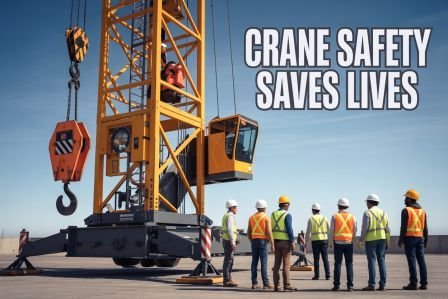



Mobile crane inspection is crucial for preventing accidents and keeping your construction site safe. This comprehensive guide is designed for crane operators, safety managers, construction supervisors, and heavy equipment technicians who need to perform thorough crane safety inspections.
Proper mobile crane maintenance starts with understanding what to look for and how to document your findings. A systematic approach to crane inspection procedures helps catch potential problems before they become dangerous failures on the job site.
This guide walks you through the complete heavy equipment safety inspection process. You’ll learn how to conduct detailed visual inspections of critical components like booms, outriggers, and wire ropes. We’ll also cover operational load testing methods to verify your crane meets crane safety standards and mobile crane compliance requirements.
Each section includes practical checklists and documentation templates to streamline your crane inspection guide workflow. From pre-inspection setup to final paperwork, you’ll have everything needed for a construction equipment inspection that protects your crew and meets regulatory standards.
Pre-Inspection Preparation and Documentation Requirements

Gather necessary inspection forms and safety equipment
Proper mobile crane inspection starts with having the right paperwork and safety gear ready. Your inspection checklist should include manufacturer-specific forms, OSHA compliance documentation, and any state or local regulatory requirements. Most crane manufacturers provide detailed inspection forms that cover every component systematically – download these directly from their websites or contact your equipment dealer.
Safety equipment is non-negotiable. You’ll need a hard hat, safety glasses, steel-toed boots, and high-visibility clothing. Keep a flashlight or headlamp handy for inspecting darker areas like the engine compartment or undercarriage. A digital camera or smartphone helps document any issues you discover during the inspection process.
Don’t forget measuring tools like tape measures and calipers for checking wire rope diameter and wear patterns. A torque wrench becomes essential when verifying bolt tightness on critical connections. Many inspectors carry a small mirror on a telescoping handle to examine hard-to-reach spots without compromising safety.
Review manufacturer specifications and load charts
Load charts serve as the backbone of safe crane operations, and reviewing them before inspection helps you understand the machine’s capabilities and limitations. Every mobile crane comes with specific load charts that detail lifting capacities at various boom lengths, angles, and configurations. These charts change dramatically based on whether you’re using outriggers, operating on rubber tires, or working with different boom extensions.
Study the manufacturer’s maintenance manual alongside the load charts. This document contains torque specifications, fluid capacities, inspection intervals, and replacement criteria for wear items. Pay special attention to any recent service bulletins or technical updates that might affect your inspection procedures.
Familiarize yourself with the crane’s specific model variations. A 40-ton mobile crane from one manufacturer might have completely different inspection points compared to a similar capacity unit from another company. Understanding these differences prevents missed inspection items and ensures you’re following the correct procedures for that specific machine.
Check weather conditions and site accessibility
Weather plays a huge role in both inspection safety and crane operation. Wind speeds above 20 mph can make boom inspections dangerous and affect the accuracy of load testing procedures. Rain creates slippery surfaces around the crane and makes electrical system testing risky. Check the forecast and plan your inspection timing accordingly.
Site conditions directly impact inspection thoroughness. Soft ground might prevent you from positioning the crane properly for outrigger testing. Overhead power lines create safety hazards and restrict boom movement during operational checks. Walk the entire work area before starting your inspection to identify potential obstacles or hazards.
Consider the space needed for extending booms and operating the crane through its full range of motion. Many inspection procedures require the crane to demonstrate its capabilities, which means you need adequate clearance on all sides. Document any site limitations that might prevent complete inspection procedures.
Verify operator certifications and permits
Crane operators must hold valid certifications appropriate for the specific type and capacity of mobile crane being inspected. NCCCO (National Commission for the Certification of Crane Operators) certification represents the industry standard, but some states require additional licensing. Verify that certifications haven’t expired and cover the specific crane type you’re inspecting.
Check for any required permits or notifications. Many jurisdictions require permits for mobile crane operations, especially when working near airports, over certain weight limits, or in specific zones. Some areas mandate advance notification to utility companies when operating cranes above certain heights.
Review the operator’s recent training records and any incident history. Operators should demonstrate familiarity with the specific crane model and its unique characteristics. Document all certification numbers and expiration dates as part of your inspection record keeping process.
Visual External Inspection of Critical Components

Examine Boom Sections for Cracks, Dents, and Wear
Start your mobile crane inspection by carefully examining each boom section from base to tip. Look for hairline cracks around weld joints, pin connections, and stress concentration points. These areas typically experience the highest loads during operation and are most susceptible to fatigue cracking. Pay special attention to the boom base connection where it attaches to the carrier, as this joint bears enormous stress during lifting operations.
Dents and deformations in boom sections can compromise structural integrity and indicate previous impact damage or overload conditions. Run your hands along the boom surfaces to feel for subtle dents that might not be immediately visible. Even minor dents can create stress risers that lead to crack initiation over time.
Check for excessive wear on boom extension mechanisms, including wear pads, guide blocks, and extension cylinders. Worn components can cause misalignment and uneven load distribution, potentially leading to catastrophic failure during crane operations.
Inspect Outriggers and Stabilizers for Damage
Outriggers and stabilizers are critical safety components that provide the crane’s foundation during lifting operations. Start by examining the outrigger beams for bends, cracks, or excessive wear at pivot points and locking mechanisms. Look for signs of previous repairs, especially welding that might indicate structural damage history.
Inspect float pads for cracks, excessive wear, or damage that could affect ground contact. Damaged floats can slip under load, creating dangerous instability. Check that float pins and retaining hardware are secure and show no signs of excessive wear or deformation.
Examine the outrigger extension and retraction mechanisms for proper operation and signs of wear. Look for hydraulic leaks around cylinder seals and connections, as fluid loss can compromise the crane’s stability during operation.
Check Wire Ropes for Fraying, Kinking, and Proper Lubrication
Wire rope inspection requires methodical examination of the entire length of each rope. Start at the drum and work your way to the load block, checking for broken wires, fraying, and excessive wear. Count broken wires in any given rope lay length – industry standards typically require rope replacement when broken wire counts exceed specific thresholds.
Look for crushing damage, kinking, or bird caging that indicates severe overloading or improper handling. These conditions create weak points that can lead to sudden rope failure under load. Check for proper rope lubrication, as dry ropes wear faster and are more prone to internal corrosion.
Examine rope terminations, including wedge sockets, clips, and swaged fittings. These connection points experience high stress and must show no signs of slippage, cracking, or improper installation.
Assess Hydraulic Cylinders for Leaks and Structural Integrity
Hydraulic cylinders power most mobile crane functions and require careful inspection for both external and internal condition. Start by checking for external fluid leaks around seals, fittings, and cylinder bodies. Even small leaks can indicate seal deterioration that may lead to sudden pressure loss during operation.
Inspect cylinder rods for scoring, pitting, or chrome damage that can cause seal failure and contaminate the hydraulic system. Look for bent rods that indicate previous side-loading or impact damage. Check rod end connections for excessive wear or play that could affect precise crane control.
Examine cylinder mounting points and brackets for cracks or looseness. These mounting points transfer enormous loads and must remain structurally sound. Test cylinder operation for smooth movement and proper speed control – jerky or erratic movement often indicates internal damage or contamination in the hydraulic system.
Load Block and Rigging Hardware Safety Assessment

Inspect hooks for deformation, cracks, and proper latching
Hook inspection stands as one of the most critical aspects of mobile crane inspection procedures. Start by examining the hook for any visible cracks, which typically appear at high-stress points like the throat opening or the saddle area where the hook connects to the load block. Use a magnifying glass or flashlight to check these areas thoroughly. Even hairline cracks can lead to catastrophic failure under load.
Check for deformation by comparing the hook’s current shape against manufacturer specifications. Pay attention to the throat opening – it shouldn’t exceed 15% of the original dimension or show any twisting. A properly functioning hook maintains its original curvature without any bending or stretching. Look for signs of excessive wear on the hook tip and bearing surfaces.
The safety latch requires special attention during your crane safety checklist. Test the latch mechanism by opening and closing it several times. The latch should move smoothly without binding and return to the closed position automatically. Check the latch engagement – it must fully cover the throat opening without gaps. Replace any damaged or worn latches immediately, as they prevent loads from accidentally slipping off the hook.
Document the hook’s condition with measurements and photos. Record the throat opening dimensions, any wear patterns, and the overall condition. This documentation becomes essential for tracking wear progression and planning maintenance schedules.
Check wire rope connections and terminations
Wire rope terminations represent critical failure points that demand careful examination during mobile crane maintenance. Begin by inspecting wedge socket connections for proper seating. The wedge should sit flush within the socket with no visible gaps or misalignment. Check for any wire rope strands that have pulled out of the wedge – this indicates improper installation or excessive wear.
Examine swaged terminations by looking for any cracks in the swage sleeve or signs of the rope slipping within the termination. Properly swaged connections show no visible rope movement and maintain their original shape. Watch for corrosion around the termination point, which can weaken the connection significantly.
For poured socket terminations, inspect the zinc or resin fill material for cracks or voids. The wire rope should be properly splayed within the socket with adequate penetration of the filling material. Check that individual rope strands haven’t been cut too short during installation.
Test all shackles and pins used in the rigging system. Look for wear, deformation, or cracking in the shackle body and pins. Verify that pins are properly seated and secured with appropriate retention methods. Replace any hardware showing excessive wear or damage.
Verify load block bearing operation and lubrication
Load block bearings enable smooth rotation under load and require regular assessment as part of heavy equipment safety inspection protocols. Start by manually rotating the load block to check for smooth operation. Properly functioning bearings allow the block to turn freely without binding, grinding, or excessive play.
Listen for unusual sounds during rotation. Grinding noises indicate contaminated or damaged bearings that need immediate attention. Clicking or irregular sounds may suggest bearing race damage or insufficient lubrication. The block should rotate quietly with minimal resistance.
Check bearing lubrication levels and condition. Most load blocks have grease fittings that allow for regular lubrication. Remove the fill plug if accessible and examine the grease condition. Fresh grease appears clean and maintains its consistency. Contaminated grease shows discoloration, grit, or separation. Replace contaminated lubricant completely rather than simply adding new grease on top.
Inspect bearing seals for damage or wear that could allow contamination. Damaged seals let moisture and debris enter the bearing assembly, leading to premature failure. Look for cracked, torn, or displaced seals around the bearing housing.
Test for excessive play by attempting to move the load block side-to-side while holding the hook stationary. Minimal movement is normal, but excessive play indicates worn bearings that compromise load stability and safety. Document bearing condition and lubrication status for maintenance planning.
Engine and Mechanical Systems Evaluation

Test Engine Performance and Fluid Levels
Regular engine performance testing forms the backbone of effective mobile crane inspection procedures. Start by checking engine oil levels using the dipstick, ensuring the oil falls within manufacturer specifications. Look for any metal particles or unusual discoloration that might signal internal wear. The hydraulic fluid reservoir requires equal attention – low levels can lead to pump cavitation and system failure during critical lifts.
Run the engine through its operating range, listening for unusual noises, irregular idling, or excessive vibration. Monitor engine temperature gauges and ensure proper warm-up procedures are followed. Check coolant levels in both the radiator and overflow tank, watching for signs of contamination or oil mixing with coolant.
Don’t overlook fuel quality and water separator drainage. Contaminated fuel can cause injection system problems that leave operators stranded mid-project. Test the air intake system for proper operation and examine air filter condition – dirty filters reduce power and increase fuel consumption.
Examine Transmission and Drive Components
The transmission system deserves careful scrutiny during any crane safety checklist inspection. Check transmission fluid levels and condition, looking for burnt odors or metal particles that indicate internal damage. Test all gear ranges under no-load conditions before attempting any lifting operations.
Inspect drive axles for proper lubrication levels and signs of leakage. Worn universal joints or drive shaft components can cause dangerous vibrations during travel or operation. Check differential fluid levels and examine CV joints for excessive play or damaged boots.
Pay special attention to the transfer case if equipped, as this component transfers power between the carrier and crane functions. Any unusual noises during engagement or disengagement require immediate investigation.
Inspect Braking Systems and Emergency Stops
Braking system integrity directly impacts construction equipment inspection safety standards. Test service brakes gradually, checking for proper pedal feel and stopping distance. Spongy pedal action or excessive travel indicates air in hydraulic lines or worn brake components.
Emergency brake systems require separate testing to ensure they can hold the crane securely on slopes. Check parking brake adjustment and verify it engages smoothly without binding. Air brake systems need pressure testing – watch gauges during buildup and ensure proper pressure maintenance.
Test all emergency stop functions, including engine shutdown switches and hydraulic lockouts. These systems must respond immediately when activated, as delayed response times can lead to serious accidents during emergency situations.
Check Cooling System and Air Filtration
Proper cooling system maintenance prevents costly downtime and engine damage. Inspect radiator fins for debris accumulation and clean as needed – blocked airflow can cause overheating during heavy lifting operations. Check all hoses for cracks, soft spots, or loose connections that could fail under pressure.
Test the thermostat operation by monitoring engine temperature during warm-up cycles. A stuck thermostat can cause either overheating or poor fuel economy from running too cool. Examine the water pump for signs of leakage around the weep hole.
Air filtration systems protect expensive engine components from contamination. Inspect primary and secondary air filters, replacing them according to manufacturer intervals or sooner in dusty conditions. Check the air intake ducting for cracks or loose connections that allow unfiltered air to bypass the filtration system.
Monitor hydraulic system cooling as well – many mobile cranes use dedicated hydraulic coolers that require regular cleaning and inspection. Overheated hydraulic fluid loses viscosity and can damage pumps, motors, and cylinders throughout the crane system.
Electrical and Control System Functionality Testing

Verify all warning lights and audible alarms
Testing warning lights and audible alarms forms a critical part of your mobile crane inspection procedures. Start by checking the crane’s warning light panel before powering up the equipment. All indicator lights should illuminate briefly during the initial startup sequence, confirming they’re functioning properly.
Test each warning system methodically. The overload warning light must activate when the load moment indicator detects excessive weight conditions. High temperature warnings should trigger when engine coolant or hydraulic fluid temperatures exceed safe operating ranges. Low oil pressure indicators need to respond immediately when pressure drops below manufacturer specifications.
Check all audible alarms by simulating the conditions that trigger them. The backup alarm should sound clearly when the crane operates in reverse. Load block alarms must activate when the block reaches its upper limit position. Emergency stop alarms should produce distinct warning sounds that operators can hear over ambient construction site noise.
Document each warning system’s response time and clarity. Faulty warning systems create serious safety hazards during crane operations, making this verification step essential for maintaining compliance with crane safety standards.
Test load moment indicator and safety systems
The load moment indicator (LMI) serves as your crane’s primary safety system, preventing dangerous overload conditions during lifting operations. Begin testing by verifying the LMI display shows accurate boom length, load radius, and boom angle readings when the crane sits unloaded.
Test the system’s calibration using known reference points. Extend the boom to various lengths and angles while confirming the LMI displays match your manual measurements. The system should automatically calculate load capacity limits based on these parameters and display them clearly for the operator.
Verify load cell accuracy by applying test weights at different boom positions. The LMI must detect and display load weights within acceptable tolerance ranges specified by the manufacturer. Test the automatic shutdown function by approaching the crane’s load capacity limits – the system should prevent further lifting before reaching dangerous overload conditions.
Check anti-two-block systems if equipped. These prevent the load block from contacting the boom tip, which could cause catastrophic structural failure. Test the system by raising the load block until it approaches the boom head – the crane should automatically stop before contact occurs.
Check radio controls and emergency shutdown functions
Radio control systems require thorough testing to ensure reliable communication between remote operators and crane functions. Start by checking signal strength and range limitations. Walk the typical operating perimeter around the crane while testing each control function to identify potential dead zones or interference issues.
Test every radio control function systematically. Each joystick movement should produce smooth, predictable crane responses without delays or erratic behavior. Verify that lifting, lowering, swinging, and boom extension operations respond correctly to remote commands. Check that control sensitivity settings match operator requirements and site conditions.
Emergency shutdown functions demand special attention during your crane inspection checklist. Test the emergency stop button on both the radio controller and the crane’s main control panel. The crane should immediately cease all operations when emergency stops activate, with systems returning to safe, locked positions.
Verify radio frequency settings comply with local regulations and don’t interfere with other equipment on the construction site. Test backup communication methods if available. Some mobile crane maintenance protocols require testing hardwired backup controls when radio systems experience interference or malfunction.
Check battery levels in radio controllers and confirm charging systems work properly. Dead batteries during critical lifting operations create serious safety risks that proper testing procedures can prevent.
Operational Load Testing and Performance Verification

Conduct rated capacity test with certified weights
Testing your mobile crane with certified weights is where the rubber meets the road. You need to verify that your crane can handle its maximum rated load without compromising safety or performance. Start by obtaining certified test weights that meet ANSI/ASME standards – these weights must have current calibration certificates showing their exact mass.
Begin testing at 25% of the rated capacity, then increase incrementally to 50%, 75%, and finally 100% of the maximum load. At each increment, hold the load for at least 5 minutes while monitoring all systems. Check for any unusual sounds, vibrations, or structural deflection that exceeds manufacturer specifications.
The load should be lifted to the maximum working height and radius specified in the crane’s load chart. Pay close attention to boom deflection measurements – excessive sagging indicates potential structural issues. Record all measurements and compare them against the manufacturer’s acceptable limits.
Verify swing, boom, and hoist functions under load
Once you have the test weights attached, put every function through its paces. Start with the hoist system by raising and lowering the load at various speeds. The winch drums should operate smoothly without jerking or hesitation. Listen for grinding noises in the gearbox or unusual motor sounds that might indicate internal problems.
Test the boom elevation under load by raising it from the lowest to highest position. The boom should move steadily without stalling or excessive hydraulic pressure spikes. Check that all boom extension and retraction functions work properly with the full test load attached.
The swing function deserves special attention during crane load testing. Rotate the boom 360 degrees in both directions while carrying the test load. The turntable should turn smoothly without binding or excessive play. Monitor hydraulic pressure readings and ensure they stay within normal operating ranges.
Test all safety systems during operation
Your mobile crane’s safety systems are the last line of defense against catastrophic failure. Test the load moment indicator (LMI) by gradually approaching the crane’s capacity limits. The system should provide clear audio and visual warnings before reaching dangerous operating conditions.
Verify that the load block anti-two-blocking system activates properly when the load block approaches the boom head. This critical safety feature prevents costly damage and potential injuries. Test the function at various boom angles and extensions to ensure consistent performance.
Check all emergency stop functions while under load. The main power disconnect should immediately halt all crane operations when activated. Test backup systems like manual lowering valves to ensure operators can safely lower loads during emergency situations.
Document performance against manufacturer specifications
Proper documentation transforms your crane inspection procedures from a routine task into valuable compliance evidence. Record all test results in a detailed inspection report that includes load weights used, positions tested, and measured performance parameters.
Compare your results against the manufacturer’s specification sheets for each tested function. Note any deviations from expected performance, even if they fall within acceptable tolerances. This data helps identify trends that might indicate developing problems.
Create a performance baseline for future mobile crane maintenance comparisons. Include photographs of test setups and measurement equipment readings. This documentation proves essential for regulatory compliance and insurance requirements, especially when conducting heavy equipment safety inspections for construction projects.
Documentation and Record Keeping for Compliance

Complete Inspection Checklists with Findings
Proper documentation starts with using standardized mobile crane inspection checklists that capture every critical component evaluated during the safety assessment. These checklists should include detailed sections for structural components, hydraulic systems, electrical controls, load blocks, and operational mechanisms. Each item requires a clear pass/fail designation along with specific notes about any irregularities discovered.
Record all findings immediately during the inspection process to maintain accuracy and prevent important details from being forgotten. Include measurements, photographs of defects, and specific locations of any issues identified. Document ambient conditions during testing, such as temperature and weather, as these factors can affect equipment performance and inspection results.
Digital documentation systems offer significant advantages for mobile crane compliance tracking. Many organizations now use tablet-based inspection apps that automatically timestamp entries, generate GPS coordinates for inspection locations, and sync data to central databases. This approach reduces paperwork errors and ensures inspection records remain accessible for regulatory audits.
Maintain detailed logs of previous inspection findings to identify recurring problems or developing trends. Pattern recognition helps predict maintenance needs and prevents unexpected equipment failures. Cross-reference current findings with historical data to determine if previously identified issues have been properly addressed or if new problems are emerging in related systems.
Tag Deficient Equipment and Remove from Service
Any mobile crane that fails inspection must be immediately tagged and removed from service using clearly visible warning tags that cannot be easily removed or overlooked. Use bright red or orange tags that clearly state “DO NOT OPERATE” along with the date, inspector’s name, and specific reason for the equipment being taken out of service.
Implement a robust lockout/tagout system that physically prevents unauthorized operation of deficient cranes. Remove keys, disable starter systems, or use mechanical locks on controls to ensure the equipment cannot be accidentally or intentionally operated before repairs are completed. Multiple redundant safety measures prevent well-meaning operators from unknowingly using unsafe equipment.
Establish clear communication protocols to notify all relevant personnel when equipment is removed from service. This includes project managers, equipment operators, maintenance staff, and safety supervisors. Use multiple communication channels such as digital work orders, radio announcements, and posted notices at equipment storage areas to ensure the message reaches everyone who might encounter the crane.
Create a centralized tracking system that monitors all out-of-service equipment and prevents items from being forgotten or overlooked. This system should trigger automatic reminders for follow-up inspections and maintenance scheduling. Regular audits of tagged equipment ensure that safety protocols are being followed and repairs are progressing on schedule.
Develop a priority-based maintenance scheduling system that addresses the most critical safety issues first while considering operational requirements and parts availability. Emergency repairs that affect load capacity or structural integrity take absolute precedence over cosmetic or minor functional issues. Create clear timelines for each type of repair based on severity and safety implications.
Coordinate with qualified service technicians who have specific experience with mobile crane systems and manufacturer certifications. Many repairs require specialized tools, replacement parts, and technical expertise that general mechanics may not possess. Verify that repair personnel understand current safety standards and inspection requirements before authorizing work to begin.
Establish relationships with parts suppliers and service providers to minimize equipment downtime. Maintain emergency contact information for critical repairs and ensure that common replacement parts are readily available. Consider stocking frequently needed items such as wire rope, hydraulic seals, and electrical components to reduce repair delays.
Document all maintenance activities with detailed work orders that specify exactly what repairs were performed, parts replaced, and testing conducted. Include torque specifications, adjustment settings, and calibration data where applicable. This comprehensive documentation becomes part of the equipment’s permanent maintenance record and helps ensure that future inspectors understand what work has been completed.
Schedule post-repair inspections to verify that all maintenance work was completed correctly and that the equipment is safe to return to service. These follow-up inspections should include operational testing under controlled conditions before releasing the crane for regular use. Update all documentation systems to reflect the completed repairs and reset maintenance intervals as appropriate.
References and Resources

Regulatory Standards and Guidelines
The Occupational Safety and Health Administration (OSHA) provides comprehensive crane safety standards under 29 CFR 1926 Subpart CC, which covers mobile crane inspection procedures and safety requirements for construction sites. These regulations outline specific inspection intervals, documentation requirements, and operator qualifications that form the foundation of any effective mobile crane inspection program.
The American Society of Mechanical Engineers (ASME) B30.5 standard specifically addresses mobile and locomotive cranes, offering detailed technical specifications for crane safety checklist items, maintenance protocols, and testing procedures. This standard works hand-in-hand with OSHA requirements to establish industry best practices for mobile crane compliance.
The Crane Manufacturers Association of America (CMAA) publishes additional guidance documents that supplement federal regulations, particularly focusing on manufacturer-specific inspection requirements and heavy equipment safety inspection protocols that vary by crane model and manufacturer.
Industry Training and Certification Programs
The National Commission for the Certification of Crane Operators (NCCCO) offers specialized certification programs for crane inspectors, covering both written examinations and practical assessments. Their inspection certification program specifically addresses mobile crane maintenance requirements and construction equipment inspection standards.
The Specialized Carriers & Rigging Association (SC&RA) provides comprehensive training courses on crane load testing procedures and mobile crane inspection guide protocols. Their certification programs cover advanced inspection techniques, rigging hardware assessment, and documentation best practices.
Several equipment manufacturers, including Liebherr, Tadano, and Grove, offer factory-authorized training programs that focus on model-specific inspection procedures, troubleshooting techniques, and maintenance schedules essential for maintaining warranty compliance and optimal safety performance.
Technical Documentation and Forms
Standardized inspection forms help ensure consistency and completeness during mobile crane inspections. The Construction Industry Institute provides downloadable inspection checklists that cover all major crane systems, from structural components to electrical systems.
Equipment manufacturers typically provide detailed inspection manuals specific to each crane model, including torque specifications, fluid capacities, and replacement part numbers. These resources are essential for conducting thorough inspections and maintaining accurate maintenance records.
Third-party safety organizations like the International Association of Fire Chiefs and the National Institute for Occupational Safety and Health publish supplementary inspection guides that address specific hazards common in different work environments, helping inspectors adapt their procedures to site-specific conditions.

Proper mobile crane inspection isn’t just about meeting regulations – it’s about protecting lives and preventing costly accidents. By following this systematic approach, from pre-inspection prep through operational testing, you’re building a solid foundation of safety that keeps your job site running smoothly. Each component check, from rigging hardware to electrical systems, plays a vital role in ensuring your crane operates safely and reliably.
Remember to document everything thoroughly and stay current with manufacturer guidelines and industry standards. Regular inspections catch small issues before they become major problems, saving you time and money while keeping everyone safe. Make crane safety a priority on every project, and don’t skip steps even when you’re under pressure to get the job done quickly.