



Introduction to HSE Tools
In the realm of workplace safety, Health, Safety, and Environment (HSE) tools play an indispensable role. These essential HSE tools are designed to mitigate risks and ensure compliance with a myriad of safety regulations. They are critical in creating a safe working environment by providing safety officers with the necessary resources to effectively manage health and safety risks. As such, the significance of these tools cannot be overstated.
Safety officers are tasked with a myriad of responsibilities ranging from risk assessment to employee training. The effective utilization of essential HSE tools not only aids in efficient monitoring and reporting of hazardous situations but also enhances overall safety culture within the organization. This involves the integration of various instruments and practices that help identify potential hazards, assess risks, and implement preventive measures.
Moreover, these HSE tools extend beyond traditional safety equipment. They encompass a range of resources such as software for hazard identification, training platforms for employee education, and data analytics tools that facilitate thorough audits of safety practices. By employing these tools, safety officers can ensure that all aspects of workplace safety are effectively managed, which in turn leads to improved compliance with both internal policies and external regulations.
The focus on the implementation of essential HSE tools directly correlates with an organization’s commitment to health and safety standards. By prioritizing the deployment of these tools, companies not only protect their workforce but also enhance their operational efficiency, minimizing disruptions caused by safety incidents. As we delve further into this blog post, the various essential HSE tools will be explored, shedding light on their functionalities and importance in ensuring a robust safety framework.
Sound Level Meters: Measuring Noise Levels
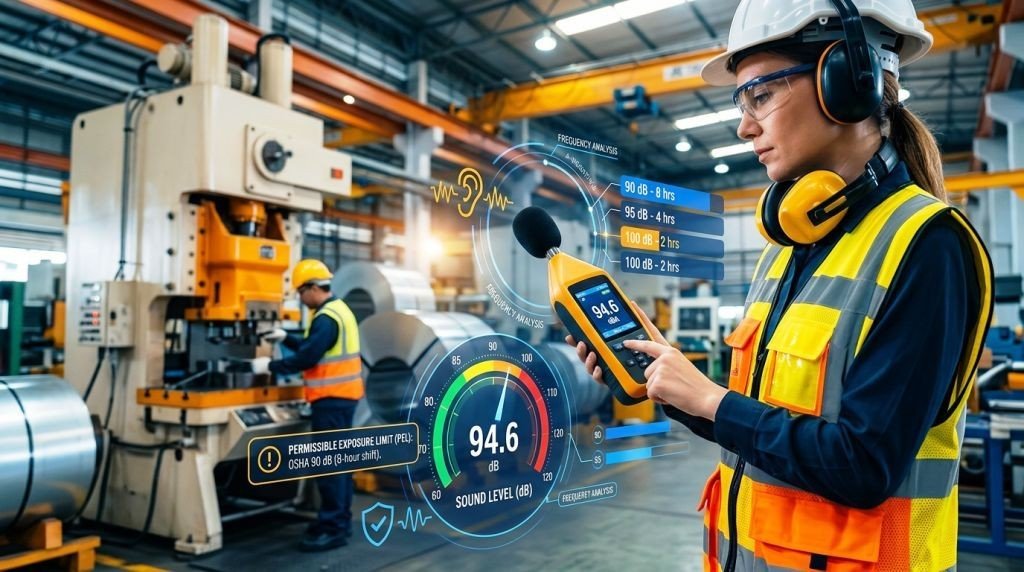
In various workplace environments, particularly those characterized by industrial activities, maintaining a safe auditory environment is paramount. Sound level meters serve as essential HSE tools that allow safety officers to accurately measure and monitor noise levels to ensure compliance with established safety standards. These devices quantify sound levels in decibels (dB), which can be critical in identifying areas of risk for hearing loss or other related health issues.
The Occupational Safety and Health Administration (OSHA) and other regulatory bodies stipulate specific permissible noise exposure limits. For instance, OSHA mandates that employers keep noise exposure below 90 dB over an 8-hour workday. Prolonged exposure even to moderate noise levels can result in cumulative hearing damage, emphasizing the need for regulations and monitoring. Sound level meters can assist safety officers in determining whether noise levels exceed these thresholds, prompting necessary interventions such as noise control measures or the use of hearing protection.
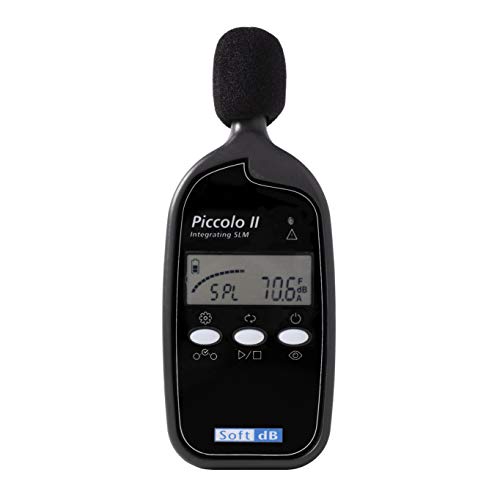
- High-precision noise measurements (IEC 61672/ANSI S1.4 Class 2)
- 30 dBA to 130 dBZpk dynamic range and 20Hz to 16kHz frequency span
- Simultaneous recording of Leq, Lmax, Lmin, Lpeak, and SEL in A, C, and Z weightings
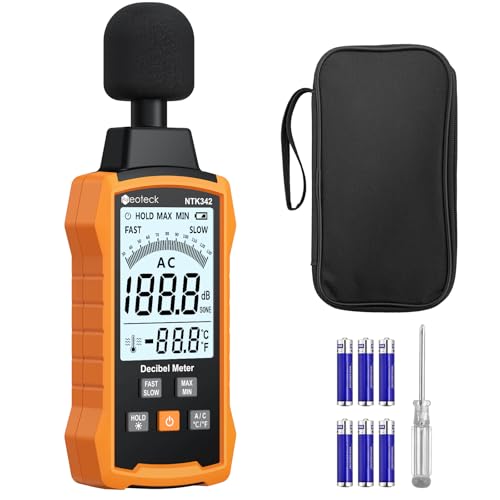
- A/C Weighting Measurement: Neoteck decibel meter offers both A and C frequency weighting modes for specialized measureme…
- Precision Sound Level Meter: This sound decibel meter features a measuring range of 30 to 130 dB, a 4-digit LCD display,…
- Fast & Slow Modes:Neoteck spl meter with the ability to switch between fast and slow response rates.The fast response ra…
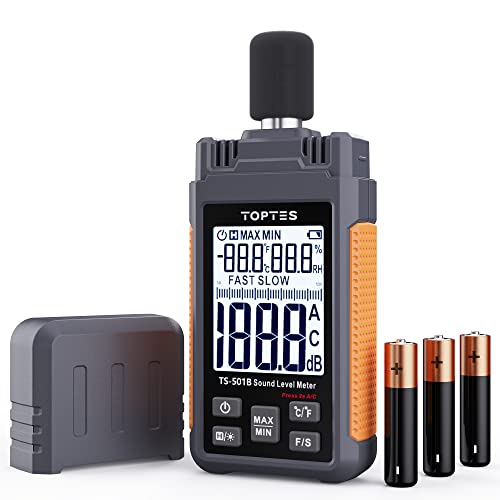
- 2.25-inch LCD Screen with Backlight: This TS-501B sound level meter is measured noise levels are expressed in decibels a…
- Decibel Meter with A/C Weighting: TopTes TS-501B decibel meter uses a precise condenser microphone to capture sound. It’…
- MAX/MIN Measurement: The sound pressure level (SPL) meter has Max or Min measurement values to represent the maximum/min…
Moreover, excessive noise in the workplace can lead not only to auditory impairment but also to a range of other health issues like stress, increased blood pressure, and decreased work efficiency. Therefore, regular assessment of noise levels using sound level meters is essential for fostering a productive and safe work environment. By integrating these essential HSE tools into routine safety checks, organizations can ensure compliance with noise regulations and protect employee health effectively.
Anemometers: Monitoring Air Quality and Flow
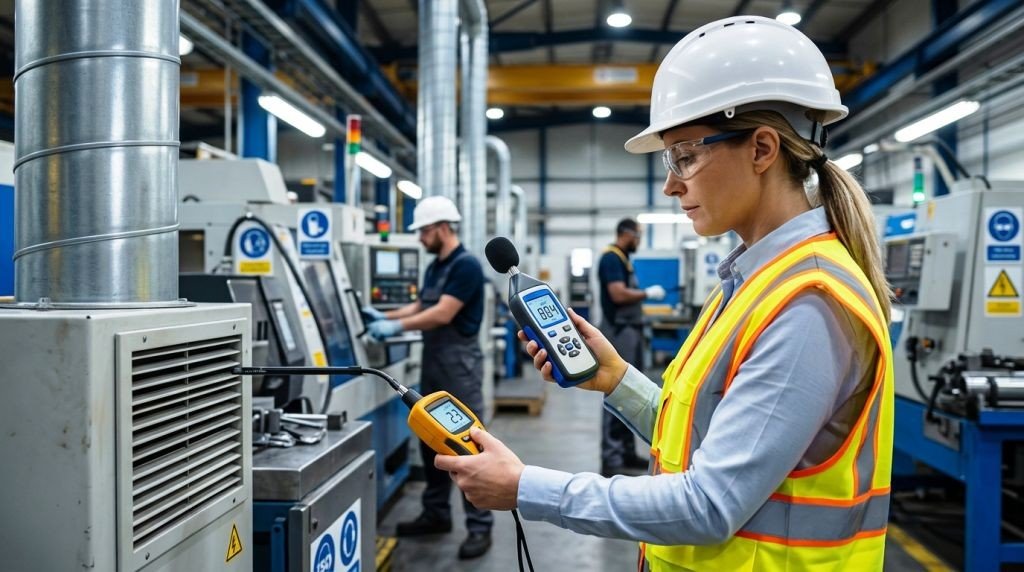
Anemometers are essential HSE tools widely used by safety officers to monitor air velocity and quality within various work environments. Their primary function is to measure the speed of air movement, which is critical in assessing ventilation effectiveness and ensuring a safe atmosphere for workers. In industries such as construction, manufacturing, and chemical processing, adequate air circulation plays a significant role in minimizing health risks associated with airborne pollutants and hazardous gases.
By utilizing anemometers, safety officers can monitor airflow patterns and identify areas where stagnant air may pose a risk to workers’ well-being. For instance, inadequate ventilation can lead to the buildup of carbon dioxide or other harmful particulates, which can severely impair cognitive function and overall safety. Regular measurements taken by these instruments help establish an environment conducive to health and safety standards.
Moreover, adherence to air quality guidelines is crucial for compliance with health and safety regulations. Anemometers facilitate real-time monitoring, allowing safety professionals to take immediate corrective actions when air quality drops below acceptable levels. Implementing an action plan based on the data collected can lead to improved air circulation, thereby reducing the likelihood of respiratory issues among employees.

- Measures air velocity and temperature
- Calculates cfm
- Slim 38 inch

- Measures air velocity, volume flow, and temperature as well as air flow water registers and automatically calculates vol…
- Not air density correction required due to design
- Measure volume flow water several outlets simultaneously (using multiple smart probes) to adjust system balance
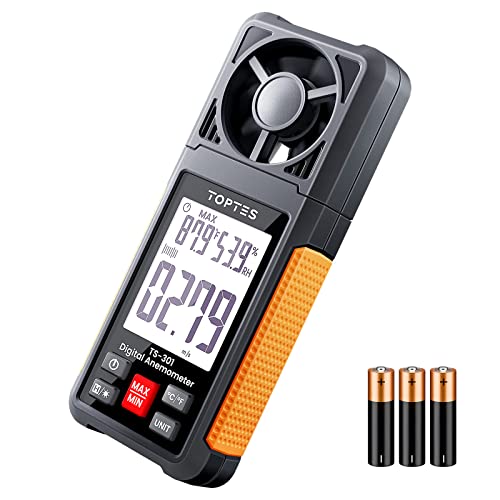
- Easy to Read with 2.26-inch LCD Backlit Screen: The TopTes Anemometer features a large 2.26″ LCD screen for easy reading…
- Anemometer with 6 Measuring Units: This wind speed measuring device is equipped with easily rotatable fan blades and mea…
- Wind Humidity and Wind Temperature: The TS-301 wind speed meter is equipped with a temperature and humidity sensor that …
In conclusion, incorporating anemometers into safety practices equips safety officers with vital information necessary for maintaining a controlled and healthy workplace atmosphere. As technology advances, the accuracy and efficiency of these essential HSE tools continue to improve, making them an indispensable asset in the pursuit of workplace safety and compliance with occupational health standards.
Inspection Cameras: Visual Safety Assessments
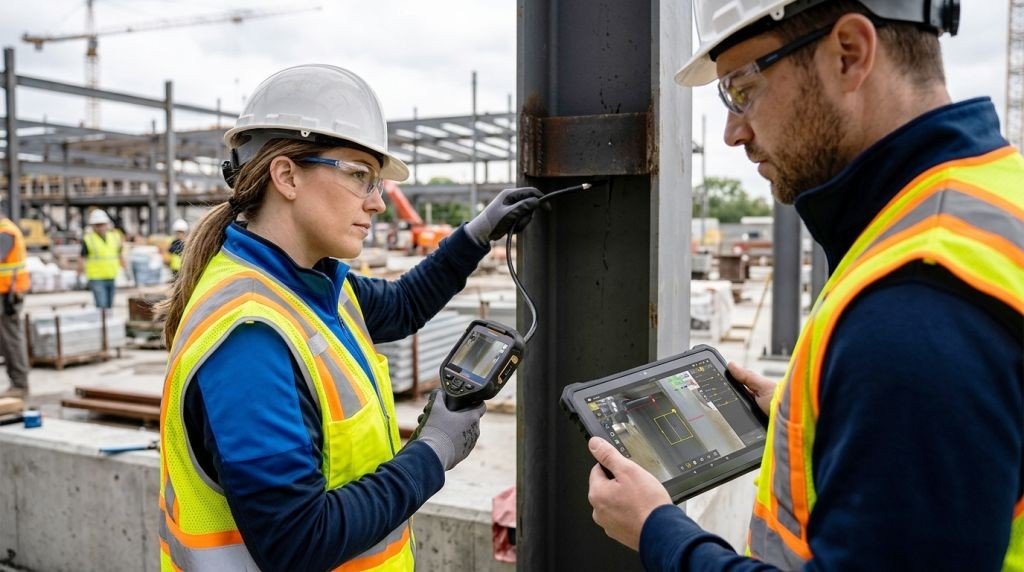
Inspection cameras have become an indispensable tool for safety officers conducting thorough safety audits and assessments in various environments. These essential HSE tools offer a unique capability to visualize potentially hazardous areas that are often difficult to access or see directly. By utilizing these cameras, safety officers can identify hazards that may otherwise remain hidden from plain sight, effectively enhancing the overall assessment process.
One of the primary advantages of inspection cameras is their ability to reach areas that pose accessibility challenges, such as tight spaces, high ceilings, or equipment interiors. This function is critical, as many hazards are located in difficult-to-reach parts of the workplace, presenting risks that could compromise safety. For instance, employees can be exposed to electrical hazards or chemical leaks if safety officers are unable to conduct proper visual inspections. The implementation of inspection cameras significantly mitigates these risks by allowing safety personnel to inspect these hard-to-reach areas without putting themselves in harm’s way.

- 210° Articulation: The upgraded articulating borescope now features camera combined with a 210° bi-directional bending p…
- Ultra-Slim 0.25″ Probe with Dual Lighting System: This ultra-thin 0.25-inch probe enters narrow spaces that standard sco…
- 1080P IPS Display: The 4.3-inch IPS monitor delivers crisp 1080P images with accurate colors, wide viewing angles, and s…

- Easily Maneuver Your View: Tired of struggling with hard-to-reach areas during inspections? This two-way articulating bo…
- See Every Detail in Vivid Clarity: Experience the exceptional image quality of our 4.5-inch IPS LCD color screen, delive…
- Master the Most Challenging Inspections: Equipped with a 5FT semi-rigid gooseneck cable, this borescope provides the ide…

- 【Innovative Dual-Lens Articulation – See More, Fix Faster】Stop guessing and start seeing. The Updated Y406D articulating…
- 【Ultra-Slim 0.25″ Probe – Reach What Others Miss】Compact yet powerful, the 6.5 mm ultra-slim borescopes slides through s…
- 【Brilliant IPS HD Display – True-to-Life Clarity Anywhere】Bright, vivid, and sharp—the borescope camera with HD IPS scre…
Furthermore, the visual documentation provided by inspection cameras serves as vital evidence for the safety audits. This type of documentation not only aids in benchmark assessments against safety standards but also supports the development of corrective action plans. By having concrete visual records, safety officers can analyze the visibility of hazards more effectively, track changes over time, and demonstrate compliance with regulations. In addition, these recordings can also be used for training purposes, educating employees about safety risks and preventive measures. Overall, the integration of inspection cameras as essential HSE tools amplifies the efficacy and safety of workplace assessments, ultimately leading to a more proactive safety culture.
Choosing the Right HSE Tools for Your Industry
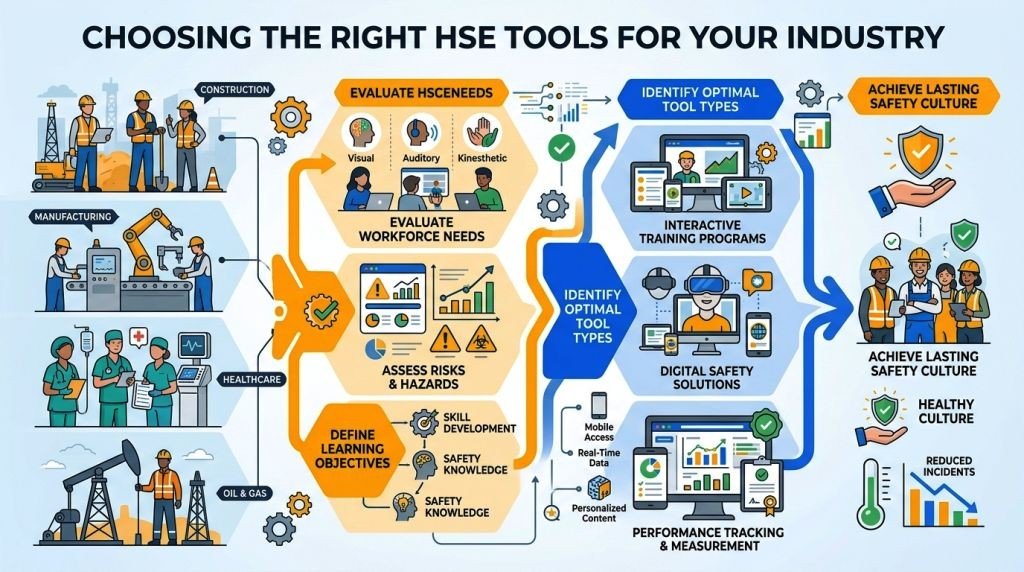
When selecting essential HSE tools for your organization, it is vital to consider the specific characteristics and needs of your industry. Each sector presents unique safety risks and regulatory requirements that necessitate tailored approaches to health, safety, and environmental management.
One of the primary factors to consider is the specific safety risks prevalent in your industry. For instance, industries such as construction or manufacturing may face heightened risks associated with machinery and equipment, necessitating tools that can monitor equipment safety, provide personal protective equipment, or conduct hazard assessments. On the other hand, industries like healthcare may require tools focused on infection control, spill management, and ergonomic assessments to safeguard both employees and patients.
Regulatory requirements also play a critical role in the selection of HSE tools. Different industries are governed by specific regulations that dictate safety standards and compliance protocols. Familiarizing yourself with the governing bodies relevant to your sector—such as OSHA in the U.S. or HSE in the U.K.—can guide your selection of essential HSE tools. Compliance tools that help track adherence to these regulations are essential for preventing legal repercussions and ensuring employee safety.
The size of your operation additionally influences the choice of HSE tools. Smaller businesses may benefit from more general, all-in-one safety packages that cover a broad range of hazards, while larger organizations may require specialized equipment tailored to specific risks and regulatory mandates. Customization options in HSE tools can provide significant advantages for larger operations, allowing for scalable solutions that grow with the business.
Ultimately, an effective assessment of the unique challenges of your industry, regulatory landscape, and operational scale is essential to choosing the right HSE tools. This thoughtful approach not only promotes a safer work environment but also ensures compliance and operational effectiveness.
Best Practices for Using HSE Tools
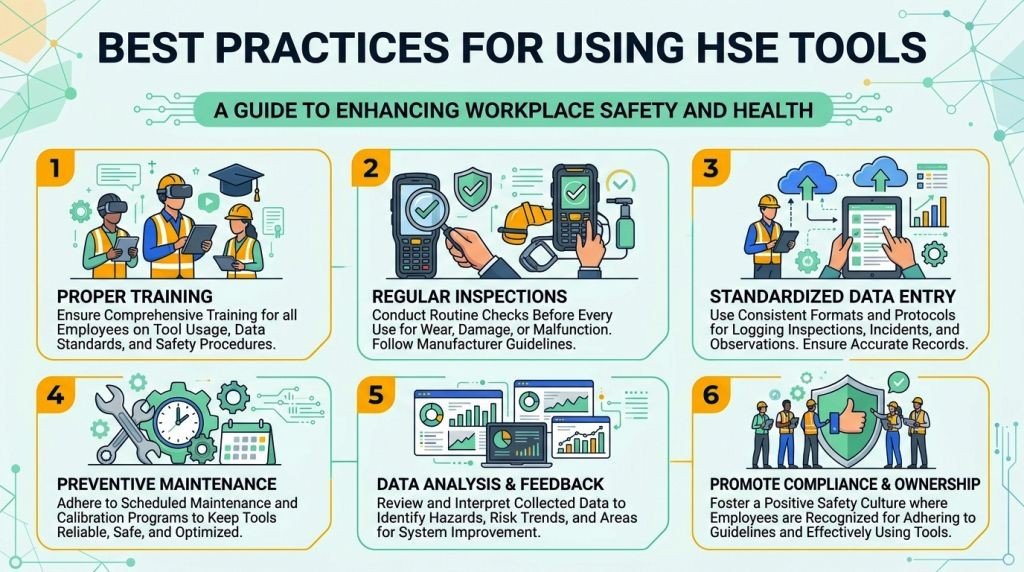
Ensuring optimal safety and health in the workplace hinges on the effective use of essential HSE tools. These tools not only aid in compliance with safety regulations but also facilitate reliable data collection and analysis. To maximize their effectiveness, it is imperative to follow best practices in their handling and usage.
First and foremost, safe handling of HSE tools should be prioritized. This involves not only the proper use of each tool according to its specifications but also incorporating ergonomic practices to avoid any potential strain or injury to the user.
Furthermore, staff training plays a significant role in effective HSE tool utilization. Regular workshops or refresher courses can help keep the workforce adept in using essential HSE tools effectively and in line with the latest safety practices.
Integrating HSE Tools into Safety Programs
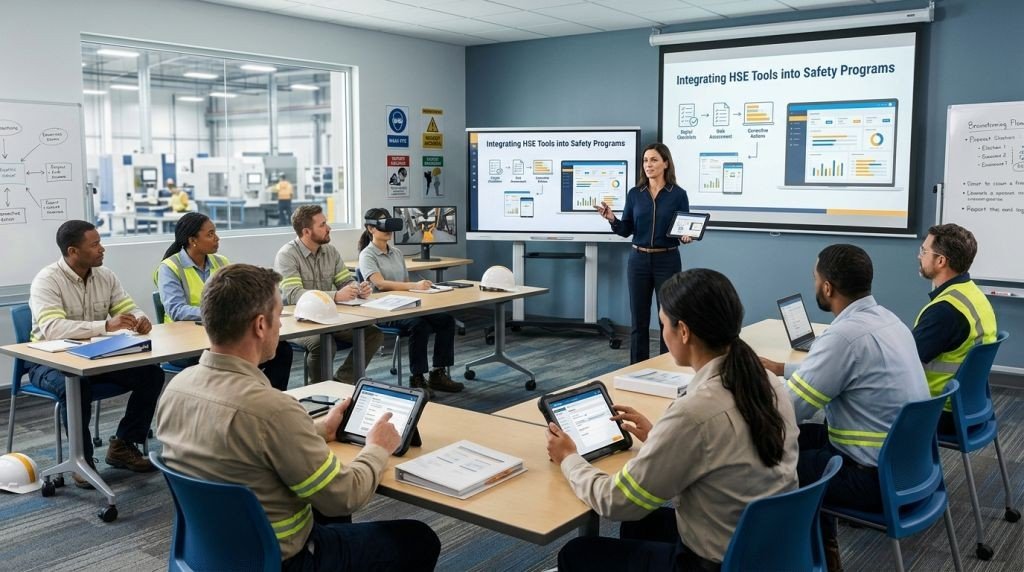
Integrating essential HSE tools into existing safety management systems is a critical step toward enhancing workplace safety. To achieve effective integration, organizations must adopt a structured approach that emphasizes the regular use of these tools in daily operations.
The first strategy involves assessing the current safety management system to identify areas where essential HSE tools can provide the most value. This includes evaluating existing processes for hazard identification, compliance reporting, and safety training. By pinpointing these areas, organizations can develop a tailored plan for integration that aligns with their specific safety objectives.
Moreover, training is paramount. Staff should receive comprehensive training on how to utilize the essential HSE tools effectively. This training must cover not only the operational aspects but also the strategic importance of these tools in promoting a culture of safety. By ensuring that all employees are aware of how to use these tools, employers can foster greater compliance with safety procedures and regulations.
Another critical aspect of integration is the establishment of protocols for the routine use of HSE tools. Additionally, encouraging teams to document incidents and near misses using these tools can significantly contribute to ongoing safety improvements and regulatory compliance.
Regular and systematic use of essential HSE tools allows organizations to maintain accurate and up-to-date records, which are crucial for regulatory inspections and audits. By leveraging these tools, companies can ensure that they meet regulatory requirements while simultaneously improving overall safety performance.
Case Studies: Effective Use of HSE Tools in Action
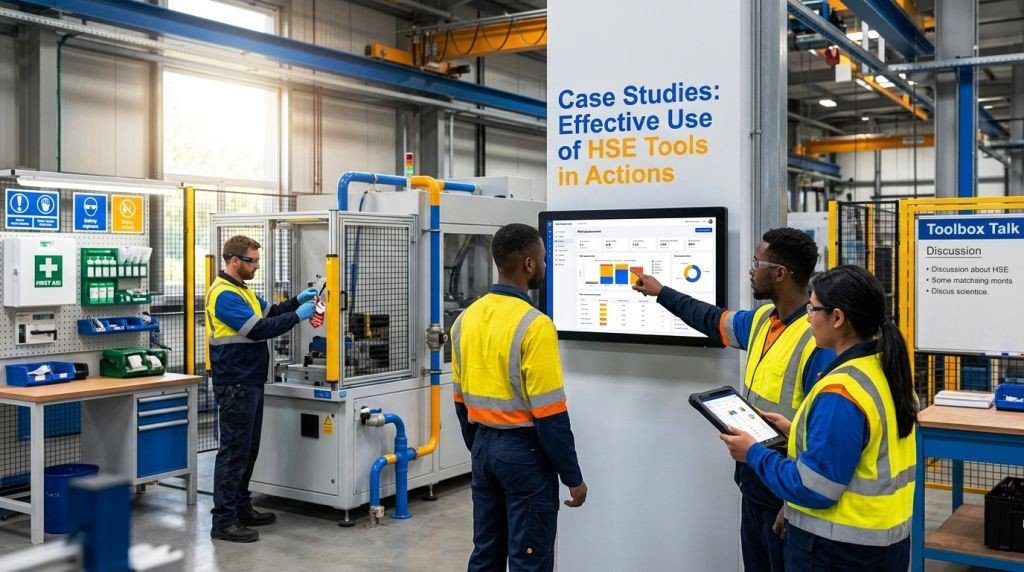
The implementation of effective Health, Safety, and Environment (HSE) tools is paramount for organizations aiming to maintain a safe work environment. Numerous case studies exemplify the successful application of essential HSE tools, illustrating both the challenges faced and the effective strategies employed to overcome them.
Recognizing the risks, the organization deployed a suite of essential HSE tools, including regular training sessions, safety audits, and incident reporting software. Over time, the culture shifted, resulting in a substantial reduction in workplace incidents by over 40% within the first year.
Additionally, a major manufacturing company faced a significant challenge in compliance with environmental regulations. They implemented advanced HSE tools that facilitated real-time monitoring of emissions and waste management processes. By integrating innovative technologies, such as IoT sensors and data analytics, the company was able to identify and rectify non-compliance issues proactively. The outcome was not only a successful audit but also enhanced their reputation as a responsible corporate entity committed to environmental sustainability.
Furthermore, a mining company identified the need for more effective communication regarding safety protocols among its workforce. They adopted mobile applications designed to streamline safety communication and reporting. This initiative not only cultivated transparency and accountability but also empowered employees to report unsafe conditions directly. As a result, the organization experienced a significant decrease in near-miss incidents, showcasing the profound impact essential HSE tools can have when implemented effectively.
Conclusion: The Future of HSE Tools in Safety Management
The landscape of Health, Safety, and Environmental (HSE) tools is continuously evolving, driven by advancements in technology and the pressing demands of modern safety management. As safety officers strive to create safer working environments, the integration of innovative HSE tools becomes paramount. Emerging technologies such as artificial intelligence, machine learning, and data analytics enable real-time assessment of potential hazards, ultimately enhancing the effectiveness of safety strategies.
Moreover, mobile applications and cloud-based platforms are streamlining communication and data-sharing among safety personnel. The shift toward a more digitized approach not only enhances accountability but also fosters a culture of proactive safety management.
There is also a growing emphasis on the importance of continuous development and training for safety officers. As new HSE tools emerge, staying updated on their functionalities and applications becomes crucial. This need for lifelong learning enables safety professionals to harness the full potential of available resources while adapting to the dynamic nature of workplace environments. Consequently, organizations must prioritize the training of their safety teams to ensure they can leverage these advancements effectively.
Watch this video
Conclusion
In conclusion, the future of HSE tools in safety management is promising, with a clear trend towards more advanced, integrated solutions. As the demand for enhanced safety practices continues to rise, safety officers must embrace these essential HSE tools to navigate the complexities of modern safety management. Adapting to emerging technologies and committing to ongoing education will be vital in maintaining high safety standards and improving overall workplace safety.


Interesting!